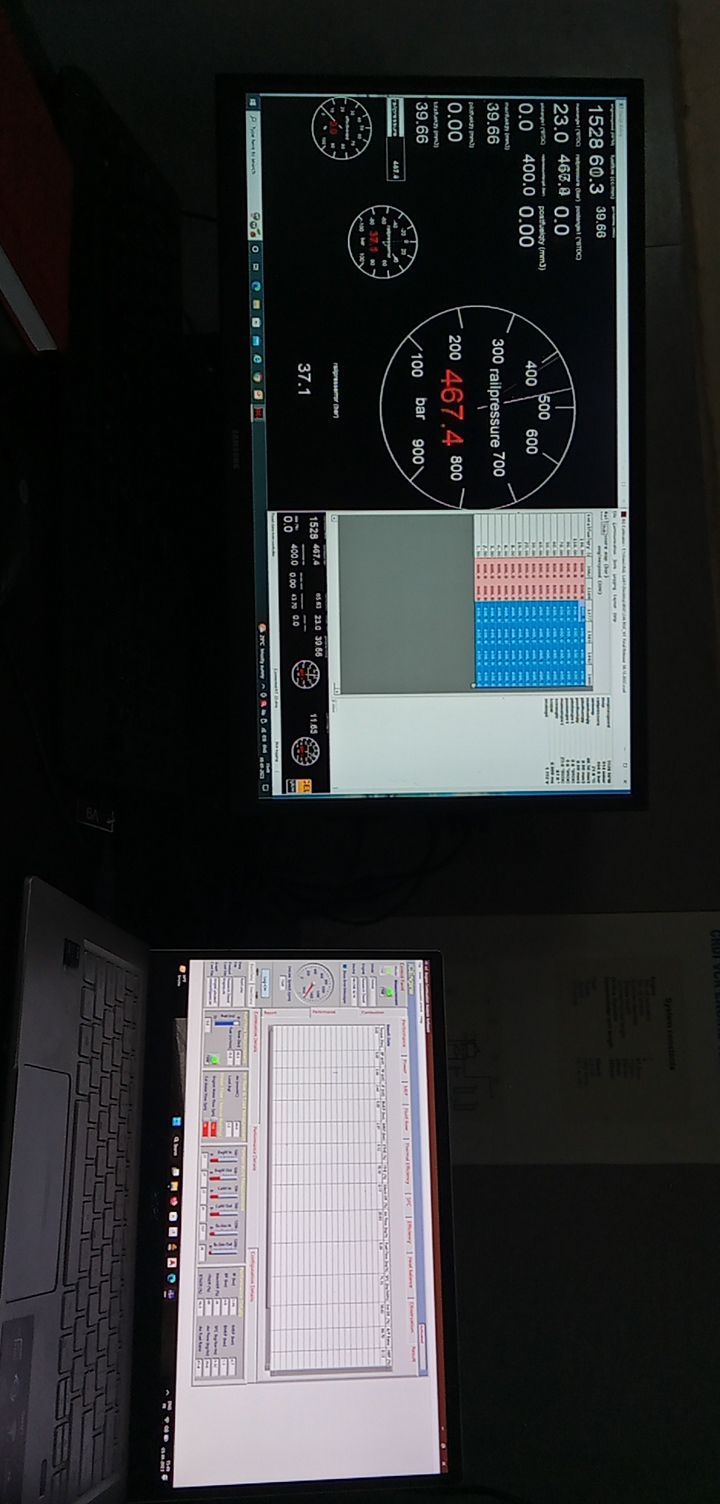
The objective was to prepare castor-oil biodiesel, make blends (B05/B10/B15/B20), and benchmark them against diesel on a single-cylinder CRDI engine for performance (BTHE, SFC, etc.) and emissions (CO, CO₂, HC, NOx, smoke).
Overview
Biodiesel produced and blended at 5–20% with diesel; B00 used as control.
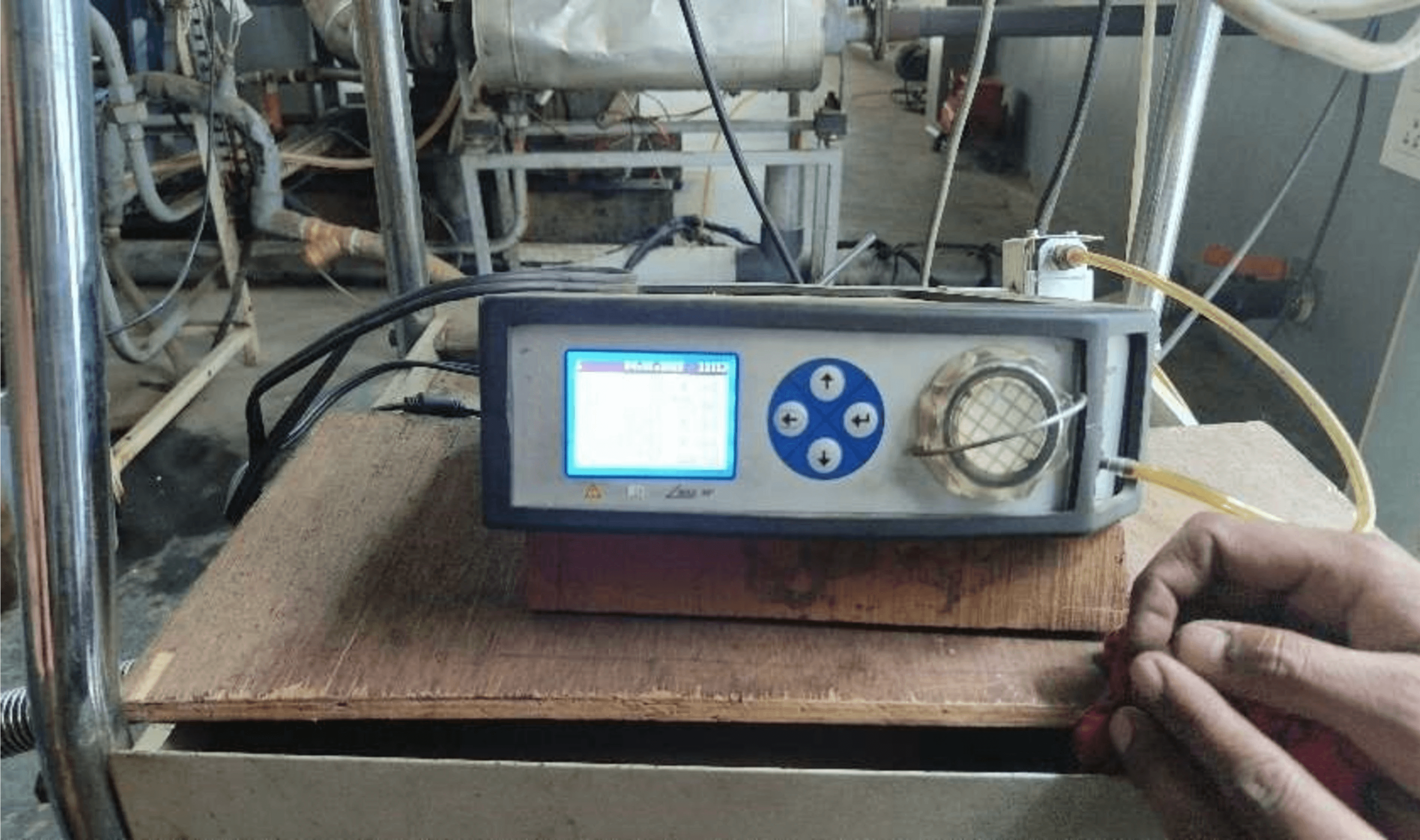
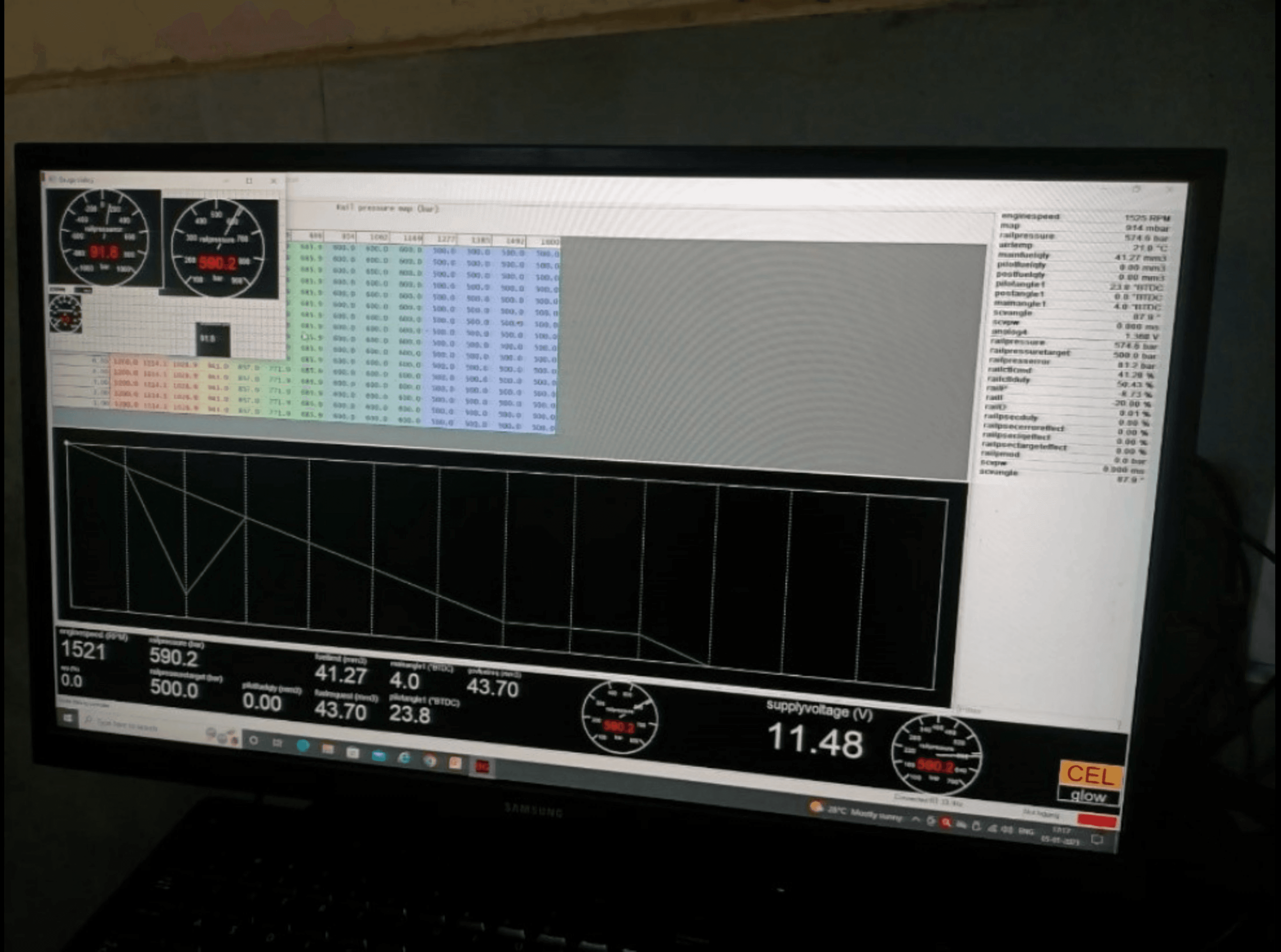
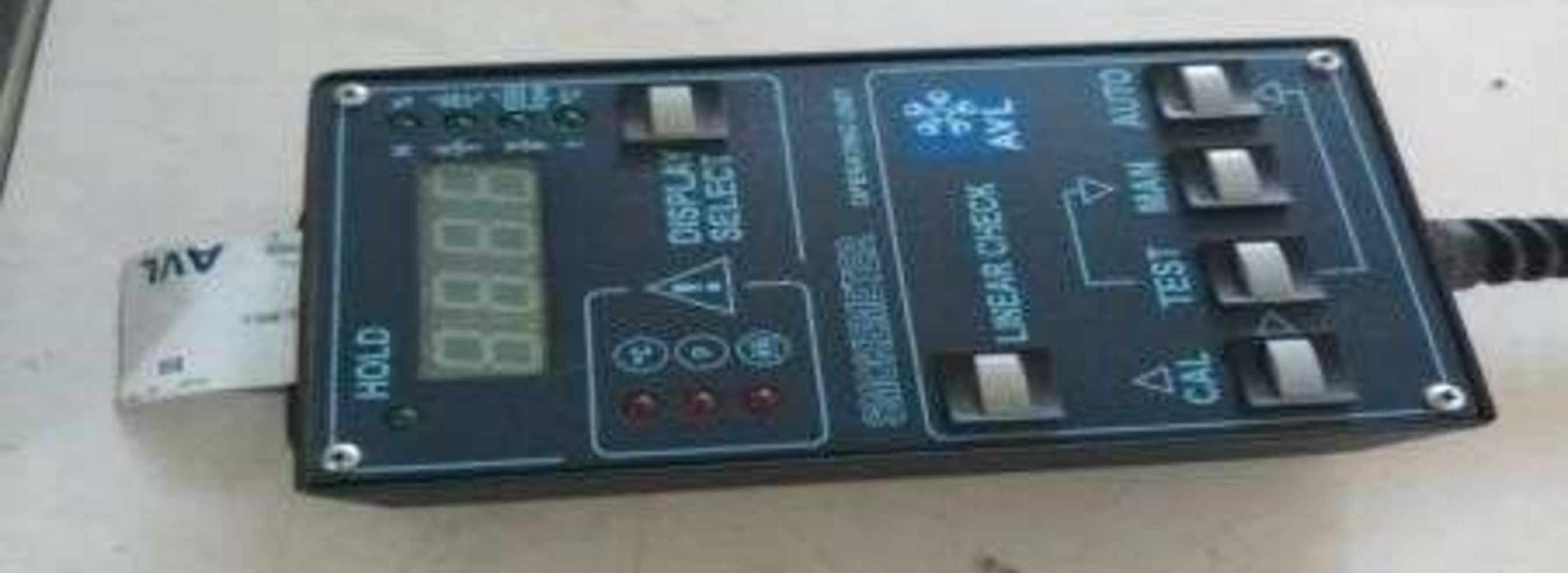
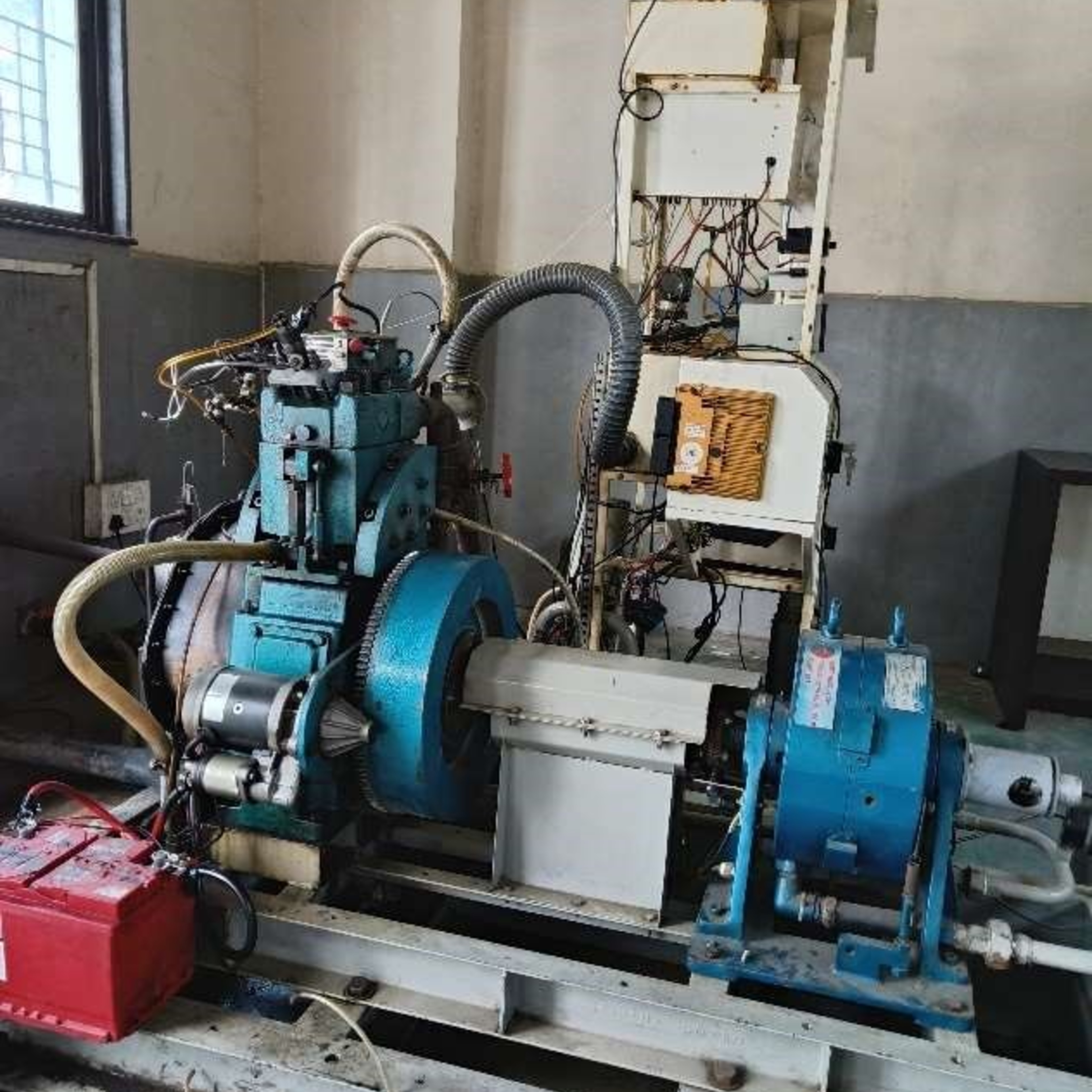
Tests run on a 3.5 kW @ 1500 rpm, single-cylinder, water-cooled CRDI engine (661.3 cc) using AVL Smoke Meter and an exhaust gas analyzer.
Performance & emission trials executed at I.O.P 400 and 500 with tabulated observations/graphs.
My key involvement
Led blend prep for B05–B20 and organized test sequencing vs. diesel (B00).
Coordinated external test facility scheduling at Apex Innovations, Sangli (December 2022).
Ran engine trials with lab support and captured analyzer/smoke-meter readings.
Processed raw data into comparison tables/plots for I.O.P 400/500.
Contributed to the research paper write-up and result synthesis.
My additional responsibilities
Drove literature review and framed aim/objectives/problem statement.
Maintained experiment log, ensured correct use of the gas analyzer & AVL Smoke Meter.
Managed timeline from project selection (Aug 2022) to tests (Jan 2023) and presentation (Mar 2023).
Compiled the Black Book with methodology, setup, evaluations, and conclusions.
Role & impact
Orchestrated blend formulation and test plan; secured external test slot at Apex Innovations; executed runs and ensured clean data capture; transformed observations into decision-ready plots.
Co-authored analysis showing B10 as the optimal trade-off (BTHE 25.87% vs diesel 24.53%).
Methods & tools
Engine: Single-cyl., 4-stroke, water-cooled CRDI (661.3 cc), 3.5 kW @ 1500 rpm.
Instruments: AVL Smoke Meter; exhaust gas analyzer (CO, CO₂, HC, O₂, NOx).
Protocols: I.O.P 400/500 test matrices with tabulated performance/emission datasets and comparative graphs.
Results that matter
Efficiency: B10 delivered the highest BTHE and lowest SFC among blends; diesel close second.
Emissions: With increasing biodiesel fraction, CO/CO₂/NOx/smoke generally rose; mid-blends tempered HC.
Applicability: Recommended for CI engines in rural/agri contexts (irrigation, transport).
Outcome
Best efficiency at B10: BTHE 25.87% vs diesel 24.53%; lowest SFC near diesel.
Emissions trend: CO/CO₂/NOx/smoke generally increased with higher biodiesel ratio (peaking near B20); HC minimized at mid-blends.
Concluded castor-oil biodiesel blends are viable for rural CI-engine applications.
Delivered full documentation, tables, and graphs for I.O.P 400/500 comparisons.
Skills gained
Experimental design, engine test operations, data reduction/visualization, technical writing, and cross-institution coordination.
